
Pressure Washer Buyer's Guide
There are countless projects for a pressure washer, including a surprising number of uses around the home that you might not expect. You'll be amazed at how versatile they truly are.
No matter what task you'd like to use one for, it's essential to choose the right one for the job. Each type of power washer serves a different purpose, but with so many endless specs and features to compare, how do you decide on the right unit?
In this ultimate guide, we'll show you everything you need to know to confidently choose the perfect pressure washer for you.
Choosing the Right Pressure Washer
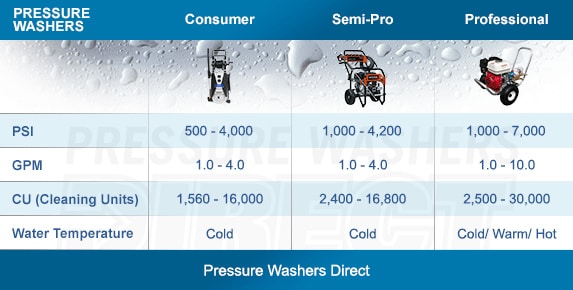
The first step for selecting a pressure washer is understanding what the most important terms mean and how to compare them. Then, you can determine which pressure washer grade is right for you. Please take a moment to review the chart below.
Understanding Our Language

Pounds per Square Inch (PSI) -
Water pressure is measured in PSI. The PSI rating is used to illustrate how much pressure is needed to remove the stain. The stronger the chemical bond - the more pressure you'll need to remove it.

Gallons Per Minute (GPM) -
Water flow is measured in GPM. The higher the GPM, the more surface area a pressure washer can clean in a minute. If Washer A has a 2GPM rating and Washer B has a 4GPM rating, Washer B will clean twice as quickly because it uses 2x as much water every minute for cleaning.

Cleaning Units -
The true test of a pressure washer is measured in Cleaning Units, also referred to as
cleaning speed. Imagine two streams of water under the same amount of pressure. The first stream contains twice the water as the second. As a result, it will clean twice as fast. You can calculate the CU by multiplying the PSI times the GPM. (PSI x GPM = CU).

Water Temperature -
When you get into the professional units, you have options for using hot or warm water, which can make a world of difference depending on the material you're cleaning. There's no shortage of uses for hot-water pressure washers. Using unheated water is standard across all pressure washers, but only some professional units are built for and capable of handling hot water.
Electric vs Gas-Powered Pressure Washers
 Which is better? We get this question all the time, and here's the bottom line: You get what you pay for, and it all depends on your project expectations and desired usage.
Some homeowners enjoy using electric pressure washers because they are simple to use, are lighter, and easier to carry. You can store them in smaller spaces, there is nothing to maintain, and they are quieter than gas-powered units. However, even though the entry price of electric pressure washers might be lower for some units, so is their life expectancy by a few hundred work hours. Electric pressure washers are designed to only be used occasionally and tossed when they break, not repaired. Plus, they require access to electricity and can only go as far as the extension cord.
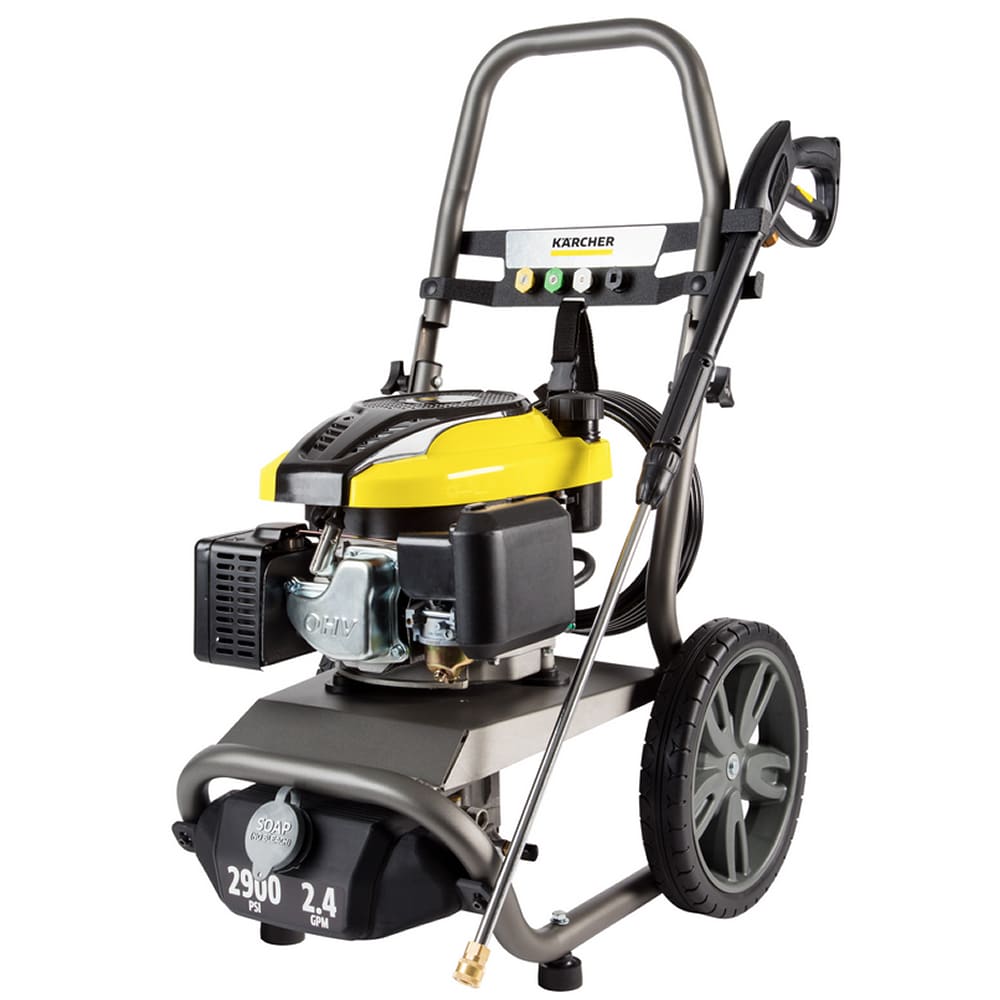
Many more people choose a gas-powered pressure washer because they are much more powerful at all levels, they last much longer, and they can be repaired. If a separate part fails, like a pump, you can replace the pump and move on-almost anything on the unit's metal frame can be repaired or replaced. And, because it uses gasoline, you can take it anywhere the job is. Most semi-pro and professional models are gas-powered and can be custom-built to fit your needs.

Brush vs Brushless Motors
 Universal (or brush) motors are typically found in small, hand-carry pressure washers and perform the job at a very inexpensive price. If you rarely use your pressure washer, you can save some money by purchasing an electric power washer with a universal motor. It just won’t last as long.
Induction (or brushless) motors, however, are typically used in larger, more powerful electric power washers. They typically last longer than universal motors, but they also cost more. If you want an electric pressure washer that lasts, spend the extra few dollars and buy one with an induction motor.
Engine Size and CC's
The size of the engine determines the strength (and price) of the pressure washer. Basically, you’re buying cc's. The greater the cc's, the larger the engine, the more expensive the pressure washer.
Axial vs Triplex Pumps
Axial cam pumps are found on cheaper pressure washers. They are not meant for everyday use. If you'll be using your washer on less than a regular occasion, this is fine. In fact, with these pumps, it can be cheaper to buy a new pressure washer than it would be to replace the pump.
Triplex pumps are higher-quality pressure washer pumps that offer longer life and better performance. They also have a higher price tag, but if you intend to use your power washer frequently, it's well worth the expense. If the pump breaks down, you can get it rebuilt instead of getting a new washer.
Pressure Washers for Homeowners
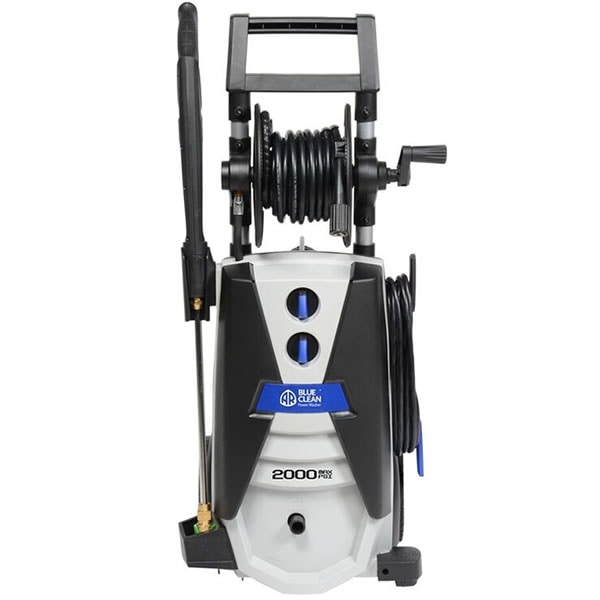
You don't have to be a professional contractor to take pride in keeping your home and garden looking their best. Consumer-grade pressure washers are very affordable and built for the DIY enthusiast. You can choose between electric and gas-powered models.
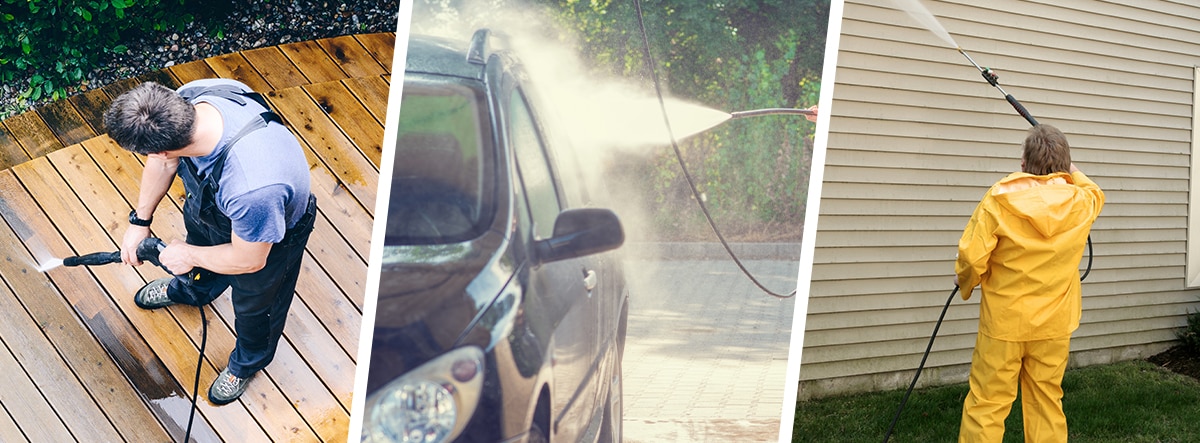
Entry-level pressure washers are generally equipped with a consumer-grade engine and pump. These units are not designed to be used every day, but rather for the homeowner looking to wash their car weekly or to perform light periodic maintenance on their driveway, sidewalk, siding, fences, etc. As mentioned earlier, please consider the important differences between choosing an electric or gas-powered pressure washer in this category, as it will greatly impact the types of projects your machine will be capable of cleaning properly.
 How to Pick a Pressure Washer for Homeowners
Pressure Washers for Contractors & Professionals
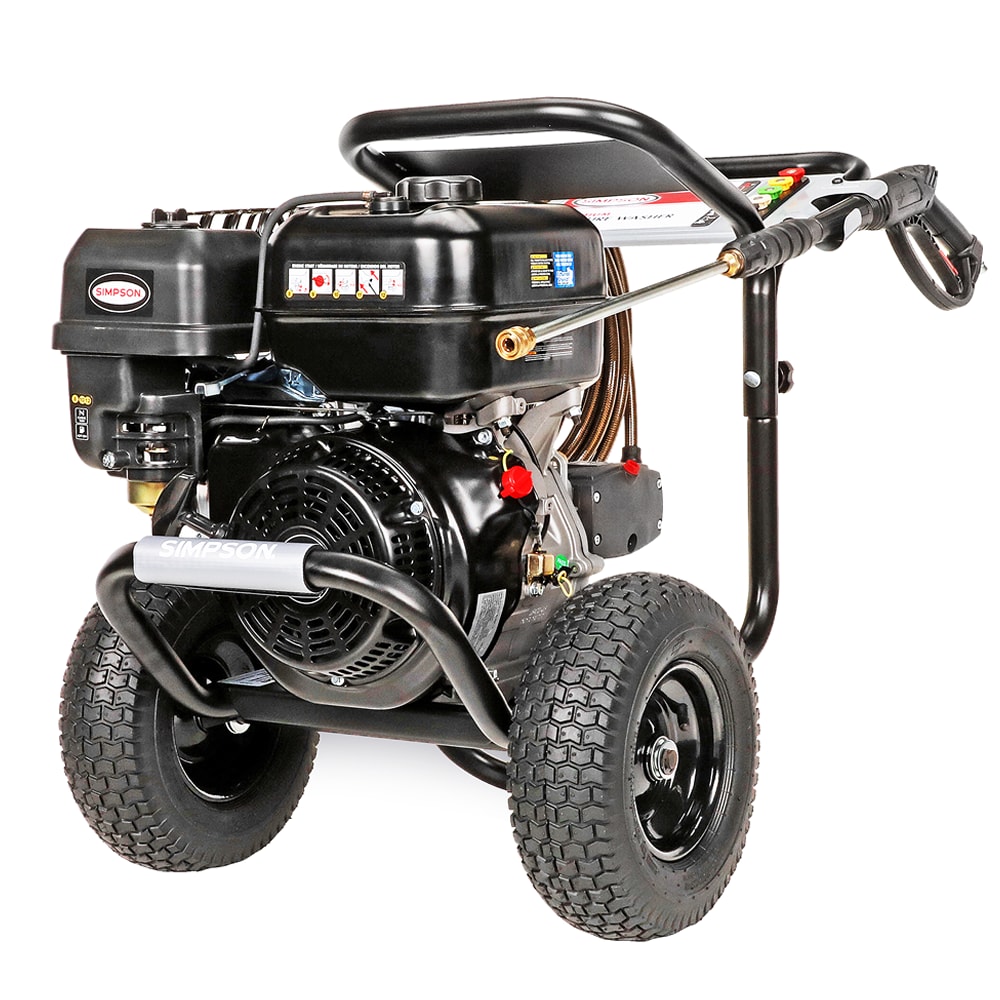
Semi-pro pressure washers bridge the gap between consumer and professional units. These units are generally equipped with either a professional pump and a consumer engine, or a professional engine and a consumer pump. The frames are usually pro-grade steel, the wheels are typically made from never-flat materials, and you also get much higher PSI, CFM, and CU options to choose from as well.
For folks who take home upkeep more seriously than just a chore, semi-pro pressure washers are for you. They are designed to handle frequent use so you can clean to your heart's content on a regular basis. At the semi-pro level, you also start to have options for customizing your setup and have an easier time using attachments or accessories like soap injectors or surface cleaners.
This is also the category that small-business owners should consider if the cost is important and their business is small but growing. For those interested in starting a pressure washing business, the semi-pro category offers professional pressure washers for a consumer price. For mature businesses that already have a fleet of employees and pressure washers, they have likely already upgraded to commercial-grade pressure washers, as seen in the next paragraph.
How to Pick a Pressure Washer for Professionals
Commercial/Industrial Pressure Washers
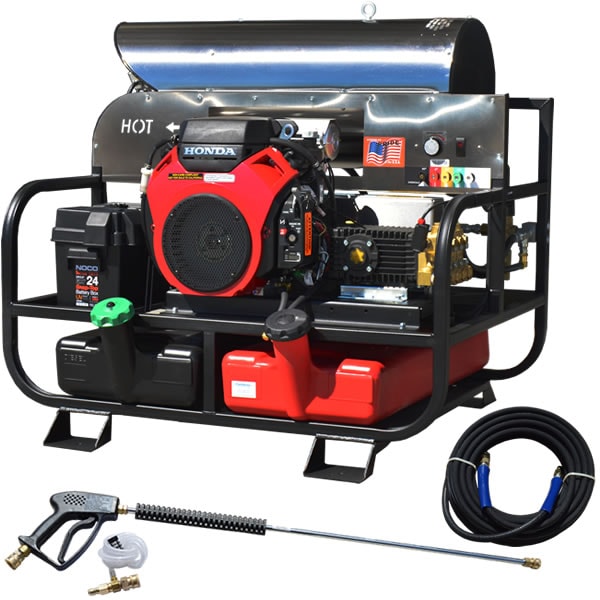
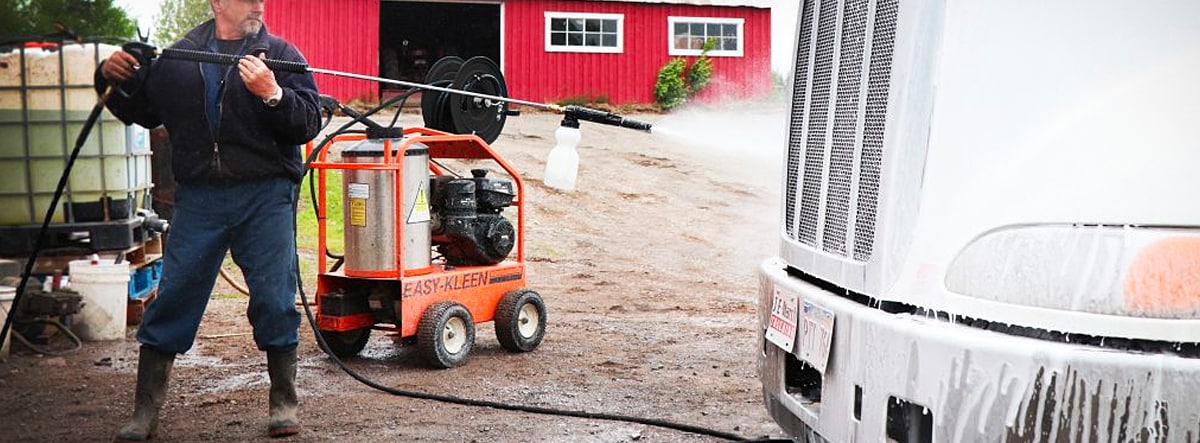
You may have noticed on the chart earlier that the low ends of the different grades have similar numbers. While the PSI, GPM, & CU may be similar, that's not what a professional pressure washer is about. It's about endurance, strength, and versatility.
Commercial-grade pressure washers are built with professional-grade materials from the top-down, meaning you can use a professional unit every day. If you do that with a consumer unit, the pump will burn out much faster. Professional units have pro-grade pumps and engines and can use hot, warm, and cold water. They are the only realistic choice for professionals, business owners, and most contractors. You'll also find the best features, accessories, and customization options in the market on these models. From wall-mount pressure washers that you find at car washes to truck-mounted and trailer-town pressure washers, we carry some of the best pro models available on the market today, some of which can be completely custom-built for your application.
How to Pick a Commercial Pressure Washer
Frequently Asked Questions
We've answered the most commonly asked questions our customers have about pressure washers, from startup tips to troubleshooting, oil changes, sizing spray tips, how to perform maintenance, connecting common attachments, and so much more. We recommend all new and experienced pressure washer owners read our Pressure Washer FAQs guide to get familiar with best practices. Please read for more detailed information.
Maintenance & Storage
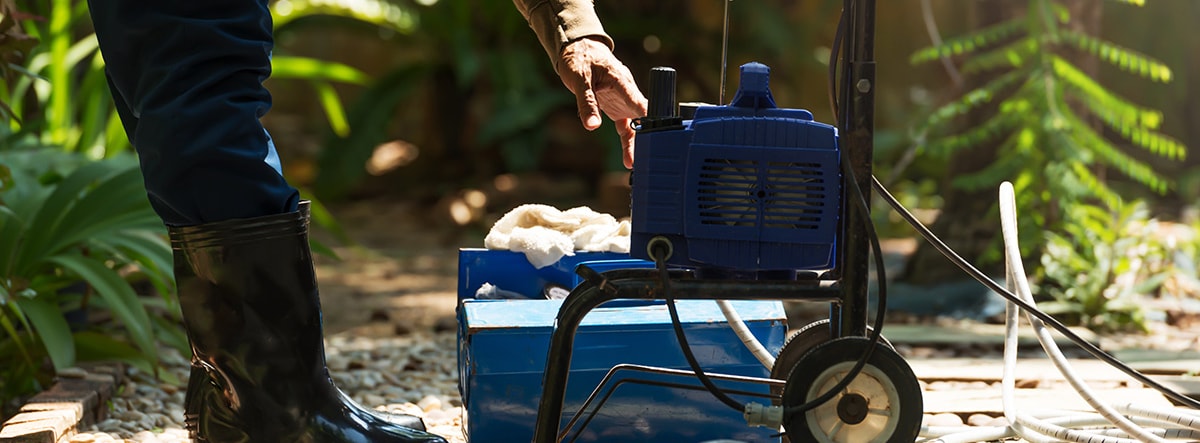
Lost your owner's manual? Use our manual lookup tool. Maintaining your pressure washer regularly is the best thing you can do to ensure it has a long and productive life. We have many articles that help you properly maintain, store, and care for your pressure washer. As always, we recommend following the regular maintenance intervals listed in your owner's manual, because each unit has unique needs.
- Pressure Washer Maintenance Guide
- Pressure Washer Safety Tips
- How to Winterize a Pressure Washer - Gas
- How to Winterize a Pressure Washer - Electric
- How to Replace a Pressure Washer Pump
Attachments & Accessories
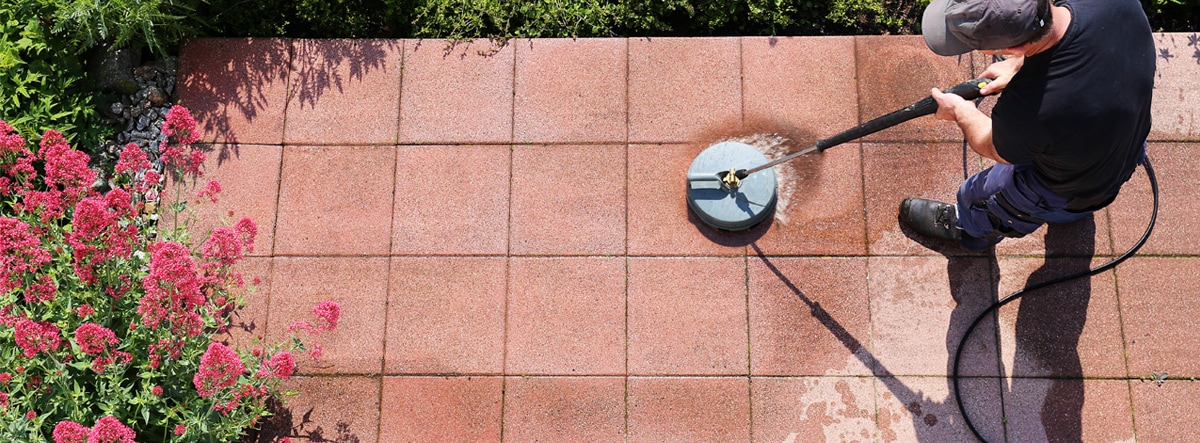
Pressure washers come with a variety of tools and attachments designed to make your cleaning faster, more efficient, and most importantly, easier.
Detergent Tanks
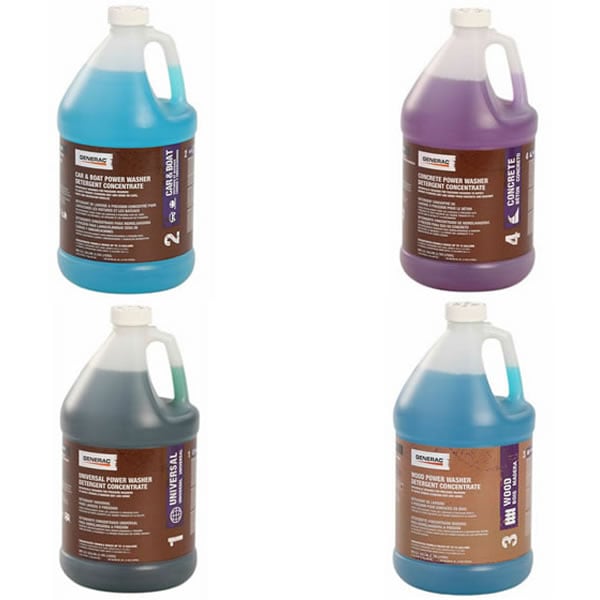 When you're cleaning really tough stains, the power of water alone is sometimes not enough. However, with the addition of concentrated detergents, cleaning mildew and mold from patios and brick is much easier.
While none of the small gas pressure washers offer onboard detergent tanks, our best medium units offer this feature. Though less convenient, the other option is a siphon tube, which you place in a bucket of detergent and water. The more efficient option is definitely the use of an onboard detergent tank.
Many cleaning projects, such as washing your siding, require additional detergent. Just add detergent to the tank, conveniently located on your pressure washer, and you'll be able to use it without having to stop and set up a separate bucket.
Spray Tips
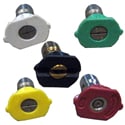 A nice feature that accompanies small gas pressure washers is an assortment of spray tips - allowing you to tailor your spray pattern to your cleaning task. If you're rinsing detergent from your siding, use a wider spray. But if you're blasting mold and mildew from your walkway, choose a concentrated jet spray.
In a 5-pack, the tips are:
- 0° - red, concentrated pencil jet
- 15° - yellow, high performance
- 25° - green, multi-purpose
- 40° - white, sensitive surfaces
- 65° - black, low-pressure detergent application
Next Steps
At the end of the day, we want to give you the satisfaction of knowing you confidently chose the pressure washer you want and truly need, not just the first one available in front of you. The more you use a pressure washer, you'll learn there are a surprising number of uses for pressure washers that will keep you cleaning all summer long.
Please browse the rest of our How-To Library and read the many resources we have for you to get the most out of your pressure washer. As always, give us a call if you have more questions, and we'd be happy to assist you.
Pressure Washer Buyer's Guide Navigation
Main Guide | For Homeowners | For Professionals |
Commercial/Industrial | FAQs | 25+ Washing Ideas | Maintenance | Attachments & Accessories | Starting a Business |


